

Blog List
Pelvic Floor : Function & Exercises
Understanding the Pelvic Floor: Function and Exercises
A healthy pelvic floor plays an important role in bladder and bowel control, daily comfort and quality of life. Like other muscles in the body, pelvic-floor muscles can become weak, poorly coordinated or excessively tight.
Learning how these muscles work and how to exercise them appropriately can help support pelvic health and may improve certain urinary and bowel symptoms.
What Is the Pelvic Floor?
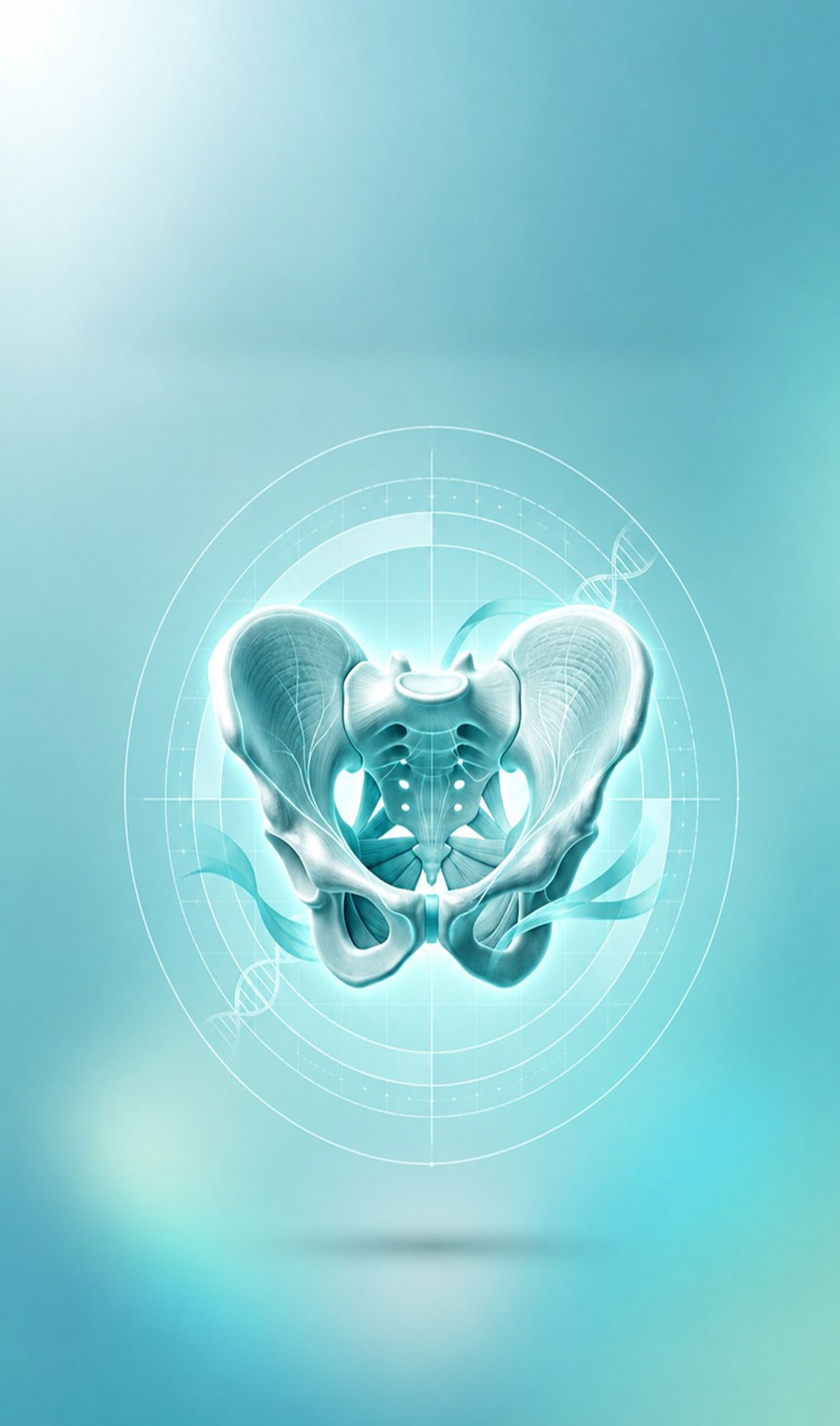
The pelvic floor is a group of muscles and connective tissues that forms the base of the pelvis.
These muscles help support:
- The bladder
- The bowel
- In women, the uterus and vagina
- In men, the prostate and other pelvic structures
The pelvic floor also contributes to:
- Urinary control
- Bowel control
- Sexual function
- Pelvic support and stability
Pelvic-floor health is important for both men and women throughout life. These muscles contribute to bladder and bowel control, pelvic support and sexual function.
Pelvic-floor muscle training (PFMT) can improve pelvic-floor muscle strength and control and is an established component of conservative management for urinary incontinence.
The reasons for paying attention to pelvic-floor health can differ across life stages and health conditions. Pregnancy and childbirth, ageing, urinary incontinence, overactive bladder and prostate surgery are among the situations in which pelvic-floor function may become particularly important.
Important: The goal is not simply to make the pelvic floor stronger. These muscles also need to relax and coordinate appropriately.
Recognizing Pelvic-Floor Dysfunction
Pelvic-floor dysfunction can affect bladder and bowel function and may present with:
- Urine leakage during coughing, sneezing, laughing or physical activity
- Sudden or difficult-to-control urinary urgency
- Increased urinary frequency
- Difficulty controlling bowel movements or gas
- Pelvic pressure or heaviness
- Difficulty completely emptying the bladder or bowel
These symptoms can have multiple causes and should not automatically be assumed to result from weak pelvic-floor muscles. A healthcare professional can help determine whether symptoms are related to pelvic-floor weakness, excessive muscle tension, poor coordination, overactive bladder or another condition.
When Is Pelvic-Floor Health Especially Important?
Certain health conditions and life stages can affect pelvic-floor or bladder function.
Diabetes
Diabetes can affect bladder and urinary function through changes involving bladder sensation, bladder muscle function and neural control. This is commonly described as diabetic bladder dysfunction.
People with diabetes may experience:
- Urinary urgency
- Increased urinary frequency
- Urinary leakage
- Difficulty emptying the bladder completely
Diabetic bladder dysfunction can have different clinical presentations, ranging from bladder-storage symptoms such as urgency and frequency to impaired bladder emptying.
Importantly, diabetes does not automatically cause pelvic-floor muscle weakness. Urinary symptoms in people with diabetes can have multiple contributing factors and should be assessed individually.
Ageing
As we age, muscle strength, tissue elasticity and neuromuscular coordination may gradually change. Regular physical activity and maintaining appropriate pelvic-floor function may help support continence and physical independence.
Pregnancy and Childbirth
Pregnancy and childbirth place increased demands on the pelvic floor and are associated with a higher risk of urinary incontinence.
Regular pelvic-floor muscle training during pregnancy can help reduce the risk of urinary incontinence during pregnancy and after childbirth.
Prostate Surgery
Urinary leakage is common following radical prostatectomy. Pelvic-floor muscle training is an established conservative approach and can improve recovery of urinary continence following radical prostatectomy, particularly during the early and intermediate recovery period.
Overactive Bladder (OAB)
Overactive bladder (OAB) is characterized by:
- Urinary urgency
- Increased daytime frequency
- Nocturia (waking at night to urinate)
- Urgency urinary incontinence in some individuals
Pelvic-floor muscle training may help reduce some OAB symptoms, although the evidence is more variable and heterogeneous than for stress urinary incontinence. Bladder training and other behavioural interventions may also form part of OAB management.
Pelvic-Floor Muscle Training (PFMT)
Pelvic-floor muscle training (PFMT) involves repeatedly contracting and relaxing the pelvic-floor muscles.
PFMT is an evidence-based treatment for urinary incontinence and is recommended as a first-line conservative treatment for women with stress urinary incontinence and mixed urinary incontinence.
Systematic-review evidence shows that PFMT can improve urinary incontinence and quality of life compared with no treatment or inactive control interventions.
Kegel Exercises
Kegel exercises are the commonly used term for voluntary pelvic-floor muscle contractions.
Key principle: The important point is not simply to squeeze repeatedly, but to perform a controlled contraction followed by complete relaxation.
Imagine that you are trying to:
- Stop passing urine
- Prevent yourself from passing gas
The muscles that gently lift and tighten are part of the pelvic floor. Think about drawing these muscles upward and inward rather than squeezing your buttocks or thighs.
Avoid routinely practicing by stopping your urine stream. Stopping the urine stream can sometimes help a person understand which muscles are involved, but repeated interruption of urination is not recommended as a regular pelvic-floor exercise.
How to Perform Kegel Exercises
- Gently contract the pelvic-floor muscles.
- Relax your abdomen, thighs and buttocks.
- Continue breathing normally.
- Hold the contraction for a few seconds if comfortable.
- Relax the pelvic-floor muscles completely.
- Repeat the exercise.
As your control improves, you may gradually increase the duration and number of contractions.
For women with stress or mixed urinary incontinence, supervised pelvic-floor muscle training for at least 3 months is recommended, with at least 8 contractions performed 3 times daily. This is a treatment programme for urinary incontinence, not a universal exercise prescription for everyone.
Stop and seek professional advice if a contraction causes pain, pressure or worsening symptoms rather than gentle, controlled effort.
Pelvic-Floor Exercises
These exercises target the pelvic-floor muscles specifically and form the basis of PFMT.
1. Slow Pelvic-Floor Contractions
Purpose: Build pelvic-floor muscle strength and endurance.
How to Perform?
- Gently contract the pelvic-floor muscles.
- Hold for a comfortable duration while breathing normally.
- Relax completely.
- Repeat several times.
- As your control improves, gradually increase the duration of the hold.
2. Quick Pelvic-Floor Contractions
Purpose: Improve the speed and coordination of pelvic-floor muscle contractions.
How to Perform?
- Quickly tighten the pelvic-floor muscles.
- Release completely.
- Repeat several times.
- Continue breathing normally throughout.
Focus on accurate, controlled contractions rather than squeezing as hard as possible.
3. Activating the Pelvic Floor Before Everyday Activities
Purpose: Help reduce urine leakage during activities that increase pressure on the bladder.
"The Knack" refers to a voluntary pelvic-floor contraction performed immediately before and during activities that increase intra-abdominal pressure. It may help reduce urine leakage associated with stress urinary incontinence.
How to Perform?
- Gently contract the pelvic-floor muscles.
- Hold the contraction.
- Perform the activity.
- Relax afterwards.
Examples include:
- Before coughing
- Before sneezing
- Before laughing
- Before lifting shopping bags
- Before standing up from a chair
4. Glute Bridge
Purpose: Support hip and trunk strength as part of an overall physical activity programme.
How to Perform?
- Lie on your back with your knees bent and feet flat on the floor.
- Tighten your buttock muscles gently.
- Slowly lift your hips from the floor.
- Pause briefly.
- Lower slowly to the starting position.
Note: The glute bridge primarily strengthens the gluteal and trunk muscles. It is not a substitute for pelvic-floor muscle training, although it may be included as part of a broader exercise programme.
5. Squats
Purpose: Improve functional lower-body strength while maintaining awareness of pelvic-floor control.
How to Perform?
- Stand with your feet comfortably apart.
- Slowly lower into a shallow squat.
- Return to standing.
- Continue breathing naturally.
- Avoid straining or bearing down.
Note: Squats are not a direct pelvic-floor strengthening exercise. They may be included as part of a balanced exercise programme that supports overall physical function.
If any exercise causes pelvic pain, significant urinary leakage or a feeling of pelvic pressure, stop and seek professional assessment before progressing.
When Strengthening May Not Be Appropriate
The pelvic floor needs to tighten when support and control are needed and relax when the muscles need to release.
Pelvic-floor problems are not always caused by weak muscles. In some people, the muscles may be too tight or may not relax properly, which can contribute to pelvic pain, difficulty emptying the bladder or bowel, or discomfort during intercourse.
If you have these symptoms, doing more pelvic-floor strengthening exercises may not be appropriate and could worsen your symptoms. Seek advice from a healthcare professional or pelvic-health physiotherapist to identify the right approach.
Lifestyle Habits That Support Pelvic Health
1. Maintain a Healthy Weight
Maintaining a healthy weight can help reduce excess pressure on the pelvic-floor muscles and support their function.
2. Avoid Constipation and Excessive Straining
A balanced diet, appropriate fluid intake and healthy bowel habits can help reduce strain on the pelvic floor.
3. Maintain Appropriate Fluid Intake
Avoid drinking too little or too much to manage urinary symptoms. Fluid intake should be individualized, especially if you have a medical condition that affects fluid balance.
4. Stay Physically Active
Regular movement supports overall muscle strength, mobility and general health. Choose activities appropriate for your age and fitness level.
5. Be Mindful of Caffeine Intake
In some individuals, caffeine may worsen urinary urgency and frequency. Reducing caffeine intake may help improve these symptoms in people with overactive bladder.
When to Seek Help
Consult a doctor or pelvic-health physiotherapist if you experience:
- Persistent urinary leakage
- Worsening bladder symptoms
- Difficulty starting urination
- Difficulty emptying the bladder
- Blood in the urine
- Recurrent urinary infections
- Significant pelvic pain
- Pelvic pressure or a sensation of a bulge
- New urinary symptoms associated with diabetes
- Symptoms following pelvic surgery or prostate surgery
- Lack of improvement despite regular pelvic-floor training
A professional assessment can help determine whether symptoms are caused by pelvic-floor weakness, excessive muscle tension, poor coordination, bladder dysfunction or another medical condition.
Conclusion
A healthy pelvic floor supports bladder and bowel control and overall pelvic health. Regular pelvic-floor exercises, healthy lifestyle habits and timely medical advice can help maintain pelvic health and manage related symptoms.
Disclaimer
This content is for general educational purposes and does not replace individualized medical advice. Consult a healthcare professional for diagnosis and treatment specific to your situation.